MORE ABOUT DIGITAL MARKETING
What Is Digital Marketing?
Digital marketing is the strategic use of online platforms, digital channels, data, and technology to promote products or services, connect with the right audience, and drive profitable actions.
Unlike traditional marketing, digital marketing allows brands to reach customers at the right time, on the right platform, with the right message, and—most importantly—to measure every result.

It includes a wide range of activities such as:
Today, digital marketing is not limited to posting on social media or running ads. It is a complete business growth system built around user behaviour, technology and performance insights.
Search engine optimization
Search engine marketing
Social media marketing
Content marketing
Email - Marketing
Conversion rate optimization
Marketing automation
Analytics and performance tracking
The Real Meaning of Digital Marketing
Digital marketing is about:
Understanding how people search, scroll, compare and decide
Creating helpful, relevant and persuasive content
Building brand trust across digital touchpoints
Guiding users smoothly from awareness to conversion
It connects creativity with data, and storytelling with technology.
Purposes of Digital Marketing
The primary purposes of digital marketing are:
To create strong online visibility
To attract qualified traffic
To educate potential customers
To build brand authority
To generate high-quality leads
To improve conversion rates
To increase revenue and retention
In simple words, the purpose of digital marketing is not only to bring visitors—but to turn visitors into loyal customers.
Benefits of Digital Marketing
Digital marketing delivers powerful advantages for both small businesses and growing brands.
Key Benefits
Global and local reach with precise targeting
Lower cost compared to traditional advertising
Real-time performance measurement
Better customer engagement
High return on investment (ROI)
Scalable campaigns for any business size
Digital marketing allows brands to test, learn and optimize continuously. Every campaign becomes smarter than the previous one.
Data-Driven and Measurable Growth
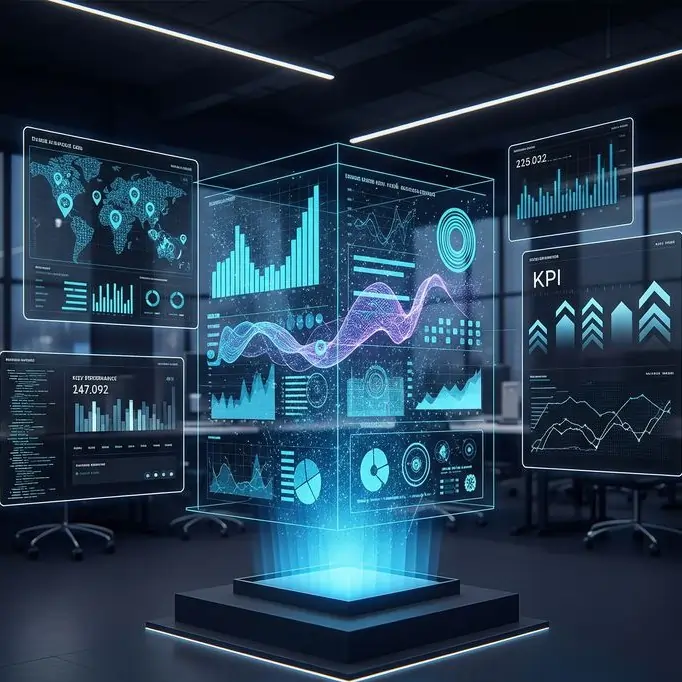
One of the strongest advantages of digital marketing is performance tracking. Every click, impression, form submission and purchase can be analysed and optimized.
Modern digital marketers use platforms from companies such as
Google,
Meta Platforms, and
HubSpot
to track customer journeys, campaign performance and conversion behaviour.
This makes decision-making smarter, faster and more accurate.
Core Areas of Digital Marketing
1. Search Engine Optimization (SEO)
SEO improves a website’s visibility in organic search results.
It focuses on:
- Technical optimization
- High-quality content creation
- Keyword strategy
- User experience
- Website authority building
A strong SEO strategy helps businesses receive consistent traffic without depending only on paid ads.
2. Paid Advertising (Performance Marketing)
Paid campaigns help brands reach customers instantly through search engines and social platforms.
They are used for:
Lead generation
Product launches
Event promotions
Retargeting and remarketing
When optimized properly, paid advertising becomes one of the fastest growth channels.
3. Social Media Marketing(SMM)
Social media marketing builds brand presence, engagement and community.
It focuses on:
Platform-specific content strategies
Brand storytelling
Influencer collaboration
Paid social advertising
Audience engagement and loyalty
Platforms operated by companies like LinkedIn and Instagram play a major role in brand discovery and customer trust.
4. Content Marketing
Content marketing attracts users by delivering value before selling.
It includes:
Blog articles
Video content
Case studies
Guides and tutorials
Visual storytelling
High-quality content improves search visibility, builds authority and supports every other marketing channel.
5. Email Marketing
Email marketing helps brands maintain long-term relationships with customers.
It is mainly used for:
- Lead nurturing
- Product updates
- Personalized offers
- Customer retention campaigns
Automation tools help deliver the right message at the right stage of the customer journey.
7. E-commerce
For online stores, digital marketing integrates directly with selling platforms such as Shopify.
This enables advanced tracking, product promotion, abandoned-cart recovery and performance-driven sales campaigns, helping businesses optimize conversions, understand customer behavior, improve targeting, and scale revenue through data-driven marketing strategies.
Job Opportunities in Digital Marketing
Digital marketing offers one of the fastest-growing career paths globally.
Common Job Roles
Digital Marketing Executive
SEO Specialist
Performance Marketing Specialist
Social Media Manager
Content Strategist
Marketing Automation Specialist
Growth Marketer
Digital Marketing Analyst
E-commerce Marketing Manager
These roles exist in startups, agencies, multinational companies and freelance businesses
Freelance and Business Opportunities
Apart from employment, digital marketing enables professionals to:
Work as independent consultants
Build niche service agencies
Offer specialized services (SEO, ads, automation, analytics)
Support international clients remotely
This makes digital marketing one of the most flexible and scalable career choices today.
Skills Required to Succeed in Digital Marketing
A professional digital marketer must combine technical skills with human understanding.
Essential Skills
Market and audience research
Data interpretation and reporting
Content planning and storytelling
Advertising strategy and budgeting
Platform and tool expertise
Communication and collaboration
Continuous learning mindset
Digital marketing is not static. Algorithms, platforms and customer behaviour change continuously.

The Role of Analytics and Optimization
Successful digital marketing is built on continuous testing and improvement.
Professionals regularly analyse:
Traffic sources
Engagement behaviour
Conversion paths
Campaign ROI
Customer acquisition costs
By using analytical platforms from companies such as Google, marketers refine strategies and eliminate guesswork from decision-making.
Why Digital Marketing Matters for Modern Businesses
Today’s customers research online before making decisions.
They compare brands, read reviews, watch videos and follow social pages.
Digital marketing ensures that a brand:
Appears at every key decision point
Communicates consistent brand messaging
Builds credibility before the first purchase
Creates long-term customer relationships
It is no longer optional—it is essential for survival and growth.

My Professional Approach to Digital Marketing
As a professional digital marketer, my focus is always on:
Business goals, not vanity metrics
User experience, not just traffic volume
Sustainable growth, not short-term results
I believe digital marketing should feel helpful to the user and profitable to the business.
Every campaign I plan is built around:
Clear objectives
Strong audience insights
Structured content strategy
Conversion-focused design
Transparent reporting
Final Perspective
Digital marketing is the bridge between modern consumers and successful brands.
It blends technology, creativity, psychology and data into a powerful growth engine.
When implemented professionally, digital marketing becomes more than promotion—it becomes a long-term business asset that delivers visibility, trust and consistent revenue.
For my portfolio, digital marketing represents not only my technical expertise—but my commitment to helping brands grow in a smart, ethical and performance-driven way.